
30+
Years Of Experience
When Old Systems No Longer Keep Up
HVAC Replacement in Newport for properties with outdated or failing equipment that increases energy costs and reduces indoor comfort
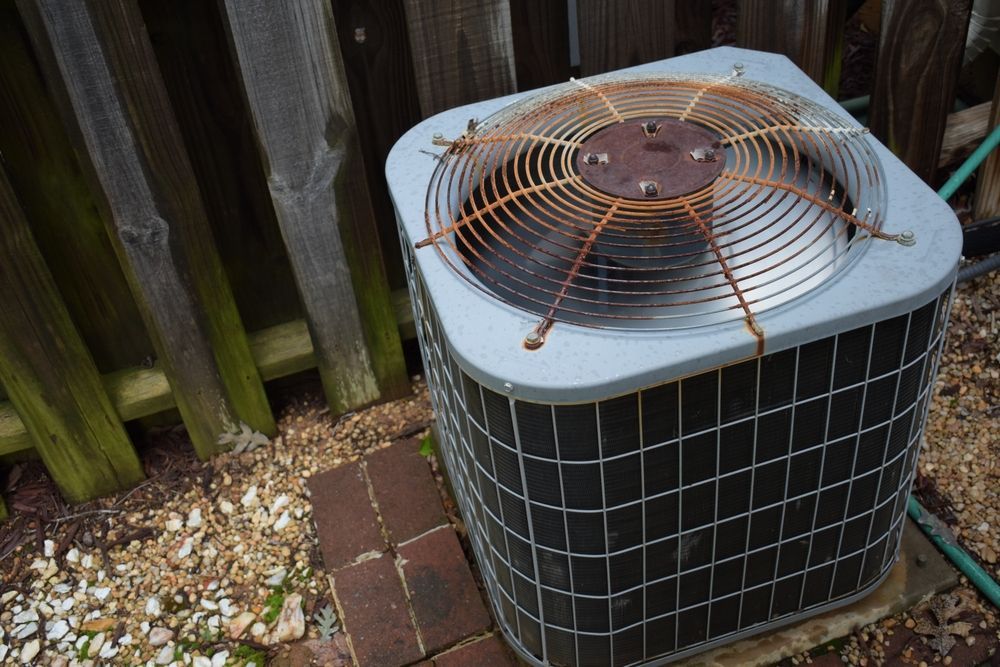
An HVAC system that runs constantly without reaching the set temperature, produces uneven heating or cooling across rooms, or requires frequent repairs signals that replacement will cost less than continuing to service aging equipment. Global Electric-Climate Control handles full replacement of outdated systems in Newport with modern, energy-efficient units that improve indoor comfort, reduce monthly utility bills, and operate reliably through seasonal temperature extremes. Replacement involves evaluating how the existing system has performed, identifying issues such as undersizing or duct leakage, and recommending upgrades that address those problems rather than repeating them.
The replacement process includes removing old equipment, installing new indoor and outdoor units, updating thermostats and controls, and verifying that refrigerant charge and airflow meet the specifications required for the new system to operate at its rated efficiency. The company works with all major brands including Trane, Carrier, Lennox, Rheem, and Ruud, allowing property owners to select equipment based on efficiency ratings, warranty terms, and budget rather than being limited to a single manufacturer.
Arrange an evaluation to assess your current system's performance and review replacement options suited to your property layout.
What Replacement Solves That Repair Cannot
Older systems often fail because core components like compressors, heat exchangers, or evaporator coils deteriorate beyond repair, or because the system was never sized correctly for the building. Replacing individual parts on a fifteen-year-old system means other components are likely near the end of their service life as well. Modern units use refrigerants that meet current environmental standards, operate with variable-speed blowers that adjust airflow based on demand, and include diagnostic features that simplify troubleshooting if service becomes necessary.
After replacement, the system reaches the thermostat setting without extended run times, rooms maintain consistent temperatures without hot or cold spots, and energy bills reflect the efficiency improvement that newer equipment provides. Noise levels decrease because newer compressors and blower motors operate more quietly than equipment manufactured a decade or more ago.
Replacement includes guidance on choosing systems that meet current energy and performance standards, along with explanations of how efficiency ratings translate to operating costs and what warranty coverage applies to parts and labor. The transition to modern equipment eliminates the cycle of recurring repairs that make older systems increasingly expensive to maintain.
Questions Property Owners Ask About Replacement
Decisions about system replacement often involve weighing repair costs against long-term value and understanding what newer equipment offers.
When does replacement make more sense than repair?
Replacement is typically more cost-effective when repair costs exceed half the value of a new system, when the unit is more than twelve years old, or when efficiency has declined to the point that operating costs outweigh repair savings. Frequent breakdowns during peak heating or cooling season also indicate the system has reached the end of its useful life.
How much more efficient are newer HVAC systems?
Modern systems rated at 16 SEER or higher use thirty to forty percent less energy than units installed fifteen years ago, which typically operated at 10 SEER. The efficiency improvement reduces monthly utility costs and qualifies for rebates in some cases.
What brands does Global Electric-Climate Control work with for replacement?
The company services and installs all major brands including Trane, Carrier, Lennox, Rheem, and Ruud, providing flexibility to choose equipment based on features, efficiency, and budget rather than brand limitation.
Can the existing ductwork be reused with a new system?
Ductwork is evaluated during the replacement assessment to determine if it is sized correctly, sealed adequately, and routed efficiently. In many cases, existing ducts are reused with sealing improvements, though undersized or poorly designed duct systems may require modification to support the new equipment.
What happens during the removal and installation process?
The old system is disconnected, refrigerant is recovered according to EPA regulations, and equipment is removed from the property. The new system is installed with updated electrical connections, properly charged refrigerant lines, and calibrated airflow settings before final testing confirms operation.
Global Electric-Climate Control helps customers in Newport transition to systems that meet current energy and performance standards with complete removal and installation services. Contact the company to evaluate your existing system and discuss replacement options that improve comfort and reduce long-term operating costs.